How to Improve Church Energy Efficiency: Best Practices
June 28, 2024And whatsoever ye do, do it heartily, as to the Lord, and not unto men.
Colossians 3:23
Through wisdom is an house builded;
And by understanding it is established:
And by knowledge shall the chambers be filled
With all precious and pleasant riches.
Proverbs 24:3-4Everybody knows it: better energy efficiency means lower bills. But there’s more to saving than that. If there’s one thing that every church needs to do as part of a community, it is to lead by example.
The flock is looking up, in big and small things alike.
Not only can improving energy efficiency reduce operational costs, but it also reflects good stewardship of the resources entrusted to us.
So, how can churches become more energy-efficient and environmentally friendly? Let’s explore some practical steps.
Start from the Top

Granted, this step can be most complex and difficult to pull off. However, it’s the widest area of impact both in summer and winter, which is why you shouldn’t leave it out.
The point is to make sure the roof is well-maintained and insulated. There are several steps to this, and most of them are easy to DIY!
- Find, replace, seal. If there are just several shingles that are damaged, replacing them isn’t difficult, provided you have adequate safety measures. Sealing smaller leaks is also feasible with roof sealant that you can get in any hardware store.
- Apply reflective roof coating. It will deflect sunlight and cut down the church’s cooling costs. The coating is also easy to apply using a roller!
- The attic needs some work too. Roll out batt insulation yourself or add loose-fill insulation using a rental blower.
- The windows are a major culprit. They can be easily weatherstripped to seal any air gaps.
Beyond these simple steps, Jarrad Sauvage, owner of a successful Melbourne roof repair company, recommends that church leaders take advantage of a free roof assessment by an experienced local roofing company. It’s better to be safe than sorry, and if a problem is spotted, many companies will offer discounted rates to local places of worship.
Switch to LED
Lighting can be a significant energy expense in many churches, especially those with large sanctuaries and multiple rooms.
Thankfully, it’s hands-down the easiest thing to replace, yet will result in huge savings in the long run! According to Federal Department of Energy, LEDs can save up to 90% less energy than traditional lighting, plus they are much more durable.
That’s not all you can do. Not all areas in the church will be used with the same frequency. That’s where motion sensors can be of great help, especially outside or in restrooms and storage rooms.
Time for Smart Devices
It goes without saying that you should have the heating and cooling system serviced at least once a year. Not only will good maintenance improve the system’s functioning, but it will also boost the overall energy efficiency.
But even if the system is relatively old, you can upgrade it by connecting it to a programmable thermostat. These thermostats are an incredibly useful tool as they are able to customize and even learn the usage patterns and adjust the temperature as needed. For example, it will learn that this or that temperature is ideal for the Service on Sunday mornings, or for Wednesday evenings when you have Bible Study or a youth group meeting.
If you set the thermostat for pre-service warm-up or cool-down, the congregants and staff will also feel much more comfortable.
Time to Go Solar
It’s not a very common sight yet, but churches can also avail themselves of solar energy.
The only downside is, a solar array costs quite a lot. On the brighter side, you don’t have to install a big one to begin with. Plus, nonprofits can get a 30% rebate thanks to the Inflation Reduction Act.
It takes quite a while for a solar array to pay itself too. In some cases, the expected timeframe is up to 10 years. But in reality, that’s a liberal estimate. When you take into account all the variables such as the amount of sunlight in your area, 15-20 years will be much more realistic.
A Quick Guide to Emergency Preparedness for Churches
And in every work that he began in the service of the house of God, and in the law, and in the commandments, to seek his God, he did it with all his heart, and prospered.
2 Chronicles 31:21

A prudent man foreseeth the evil, and hideth himself; But the simple pass on, and are punished.
Proverbs 27:12
Most of us—especially in the US—only think about emergency preparedness when we want to protect our homes. But churches are also subject to natural disasters, and not wanting or trying to protect them would mean testing God, and a form of blasphemy.
Conversely, if the church is well protected and prepared, it can serve as a designated shelter and help save lives in your community.
So what can we do to make it possible, especially with limited manpower and budgets?
There are five essential steps. The good news is, you don’t need to take them all at once. The not-so-good, it would be good not to miss any.
1. It Starts with a Plan

When devising your emergency plan, start by thinking big.
What’s the most common type of disaster that tends to plague your area? If the area’s prone to flooding, it’s the cellars and the ground floor that will be most at risk. Hurricanes and tornadoes, on the other hand, will attack the roof first. This means you need to pay special attention to these potentially most vulnerable parts of the structure.
But your plan needs to do more than just state “My church is most likely to get hit by X or Y.”
You will also need to form an emergency response team. Choose individuals from your congregation who are dependable and can remain calm under pressure. This team should include a mix of church staff and volunteers. Each of their responsibilities need to be clearly defined so that everyone knows what to do when push comes to shove.
In other words, you need roles like communication coordinator, first aid provider, evacuation leader, and security manager—at least one of each.
Next, you need to come up with a dedicated channel of communication that won’t be used for anything else, so you can avoid clutter. An app could do just fine in most cases. But if there are frequent blackouts in your area, you should have a set of two-way radios.
2. Keep Your Church Safe and Sound
Keeping your church safe and sound is the heart of being prepared for emergencies. Regular check-ups and upkeep are crucial. When was the last time you checked the church’s roof? Annual checkups aren’t enough if you live in a disaster-prone area. Making sure the roof is in tip-top shape ALL the time can prevent structural issues during storms, like your roof getting blown off completely.
(Not to mention the added benefit of improved energy efficiency.)
Fire safety gear, like extinguishers, alarms, and sprinklers, should always be ready to go. But don’t forget about the outside either. Trimming trees regularly can stop branches from falling and causing damage. And of course, keeping pathways and exits clear is a must, ensuring everyone can evacuate easily in an emergency.
The point is to make sure that there are as few things to fall off or get blown away as possible.
3. Stock Up on Emergency Supplies

Imagine an emergency strikes, and the church is the designated shelter. Are you ready? Stocking up on emergency supplies can make all the difference. Keep first aid kits well-stocked and in easy-to-find spots. Make sure they have all the essentials and check them regularly to replace anything that’s been used or expired.
Your communication coordinator needs to know exactly where they are, and how many there are.
Besides first aid kits, it’s wise to have a stash of emergency basics like water, non-perishable food, and flashlights. These supplies can help sustain your congregation and staff if an emergency lasts longer than expected.
4. Plan Your Evacuation Routes
Every successful evacuation has two phases.
First, everyone needs to be able to safely make it out of the church. This means planning the routes so that they are easy to find and follow by everyone—including people with impaired mobility.
Now, it would be ideal to have a drill every now and then, so that everybody can become familiar with these routes. It would also prevent people from panicking.
But let’s be honest: drills aren’t very likely to happen. That’s why your emergency response team needs to be aware of these routes.
Second, you need to designate safe assembly points where people will gather after they are safely evacuated. It can be the church parking lot, or a nearby school playground, or any open field. The important thing for it is to be near and easily accessible. If it’s a community center with open outdoor areas, all the better as long as it’s near! The rest of the community is likely to be there too, as well as professional first responders.
5. Don’t Neglect Training & Communication
The church staff, as well as the emergency response team, all need to know how to do CPR, first aid, and to be familiar with the emergency plan and evacuation routes.
Remember the drills we mentioned above?
While they might not be realistic with the entire congregation, they are an absolute must for the team.
But there’s more to drills than just getting acquainted with the plan.
Drills are also an excellent tool to test the plan, identify its weak points, and get feedback on how to improve it.
Their purpose is also to update the plan. For example, if there’s a new building near the church, the evacuation routes may need to be reviewed and tweaked.
How to Maintain the House of Worship: The Annual Checklist
Now he that planteth and he that watereth are one: and every man shall receive his own reward according to his own labor.
1 Corinthians 3:8
Through wisdom is an house builded; and by understanding it is established:
And by knowledge shall the chambers be filled with all precious and pleasant riches.
Proverbs 24:3-4Maintaining your Church is not just about unclogging the gutters, sealing the cracks, inspecting your wiring and electricity. (Although there’s that too.) All this work is about something more than that: it’s about care, wisdom, stewardship, devotion.
Every leaf removed, every dirty tile washed or a cracked one replaced, is our spiritual duty. By caring for the physical space where we worship, we honor God and show our dedication to the community, His and ours. Think of it as being a good host in God’s house.
To help us fulfill this duty, we’ve created an annual checklist for maintaining the house of worship. This guide will ensure our church stands strong as a testament to our faith and remains a welcoming haven for all.
1. Deep Cleaning & Washing
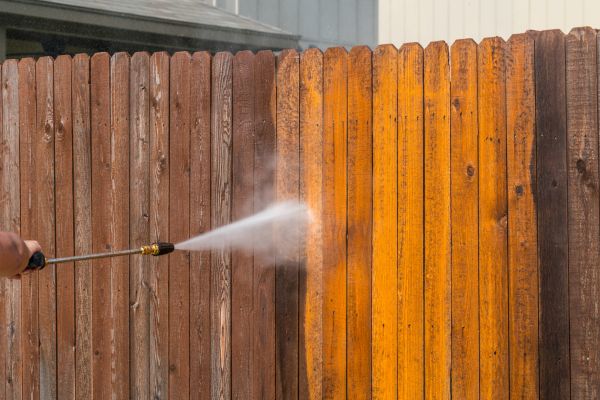
With this, we don’t mean just regular dusting, vacuuming and sanitizing surfaces within the church. Once a year, it will require extensive cleaning that will reach every nook and cranny, inside and out.
Like most thorough cleaning sprees, this one is best done in spring, when the elements abate. Clean windows will let in more light, but that isn’t all. The entryways, exterior walls and sidewalks are more difficult to clean. All the dirt, grime and caked layers of mildew will need some brute force to blast them away. If you want to do it cheaply, you can always rent out a pressure washer from your nearest hardware store, and connect it to a regular garden hose.
Russ Gordon, founder of Sydney Pressure Cleaning Experts, however, says professional pressure cleaning works best. “Pressure cleaning specialists have specialised high-pressure and softwash equipment that can be dialed in to get the best cleaning results in minimal time. We also have the skills and experience to avoid damaging exterior surfaces, which can often be a big concern with aging Church structures.” Russ goes on to say that in his experience of Church pressure cleaning in Sydney, he’s constantly told by his clients that they can’t believe the difference it makes!
2. Check All Windows & Doors
Again, this is more than just wiping those surfaces clean.
In fact, this is an ideal opportunity to check the church’s window and door frames for tiny cracks that might not be immediately visible. They are the major culprits for the building’s poor thermal performance in both summer and winter.
Luckily, sealing them isn’t difficult or expensive. Get a window sealing kit online or in a hardware store, roll up your sleeves, and get to work! It will make a huge difference in electricity bills for heating and cooling too.
To apply the sealant and film:
- Clean the Surface: Make sure the window frames are clean and dry. Best to leave them to dry naturally overnight!
- Apply Weatherstripping: Attach the weatherstripping around the edges of the window to prevent drafts.
- Install Plastic Film: Cut the plastic film to size, adhere it to the window frame using double-sided tape, and shrink it with a hairdryer for a tight seal.
3. Basic Landscaping & Tree Care
Time for my favorite part—landscaping! Not only is it useful and important, but getting your hands dirty (quite literally) is soothing to the soul.
First, you’ll want to take care of the existing trees and shrubs. Start by trimming the overgrown branches that get in the way and can even cause hazards if they damage the wiring.
If there are big and old trees, you might want to call in a professional arborist so they can assess if there are any sick trees that need to be uprooted. This is especially important if the area is prone to disasters.
Once you’re done with the regular maintenance, it’s time for planting! When considering new plantings, think strategically about how trees and shrubs can provide natural shading. Trees such as maple, oak, and birch are excellent choices for creating shade in the summer, reducing the need for cooling inside the church. Shrubs like holly, boxwood, and hydrangeas can be planted around the building to make your exterior more beautiful and contribute to cooling.
It’s also a good idea to plant climbers such as ivy. These will take a few years to grow fully. But once they’re done, they’ll be masters at regulating the inside temperature!
4. Check the Roof
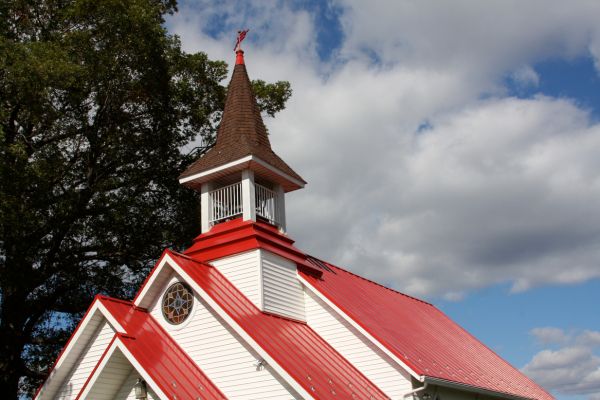
Some shingles may be damaged. Others could be missing, even if there aren’t any visible leaks!
But that’s not all you can do on your own. If you notice moss or algae on the roof or inside the attic, it can be a sign of damage that isn’t immediately obvious. Damage on the roof is sneaky and will often lay unnoticed until it’s too late for DIY. If there are piles of leaves or other debris, make sure to remove them as they can retain moisture and cause damage in the long run.
If there are any animal nests or droppings, it means the building has some unwanted inhabitants. In that case, you’ll want to get rid of them humanely before they damage the roof.
Next are the gutters, which need to be cleaned and unclogged. Ahead of the next rainy season, a set of gutter guards will help a ton!
Note that roof inspection will require you to either use a ladder (and be very careful not to fall!) or use modern technology such as a drone, if it’s allowed in your area.
5. Safety Equipment
Most people hardly ever think to check their fire extinguishers. It’s just one of those things that’s all too easy to set—and forget.
Hopefully, you’ll never really need them. But if you do, they’d better be working! That’s why you need to make sure at least once a year that they are charged, not expired, and easily accessible to anyone who might need them.
Another safety measure is to check any alarms the church might have: smoke, fire or leak detectors. Normally, they’ll be just fine. But their batteries do need to be checked every once in a while.
6. Essentials That Only a Pro Electrician Can Do
Some systems, such as HVAC and wiring, will require an electrician if you want to play it safe.
Luckily, most HVAC business will have 2-in-1 professionals, who are both electricians and HVAC technicians and can do both things at once. They’ll service the church’s heating and cooling and check all of the wires and outlets to make sure they are all working.
Both of these things are an absolute must at least once a year, ideally twice.
Things you can do on your own include replacing or cleaning your HVAC filters, as well as checking the electronics (such as sound system or mics) to update their software and firmware.
Youth Programs in Churches | 3 Ideas on How to Engage the Next Generation
Rejoice, O young man, in your youth,
And let your heart cheer you in the days of your youth;
Walk in the ways of your heart,
And in the sight of your eyes (...)
Ecclesiastes 11:9-10
These lines from Ecclesiastes don’t stop there. While acknowledging that young people should savor their youth, the Preacher goes on to say that they shouldn’t forget that it is not exempt from God’s judgement. Like everything else, the Preacher concludes, youth is vanity.
Luckily, young people are not difficult to persuade to fill their lives with purpose. All they need is a gentle nudge—and for us to lead them by example.
This is where our Church can step in and offer youth programs to help them serve their community, better their own selves, and have fun while at it! This article will lay out several meaningful ideas on how to engage the young.
Note that we won’t be dealing with quick ice breakers such as games or quizzes as those are easy enough to come up with on your own. Instead, we’ll emphasize programs will teach many important and transferable skills to the young.
1. Green Initiatives
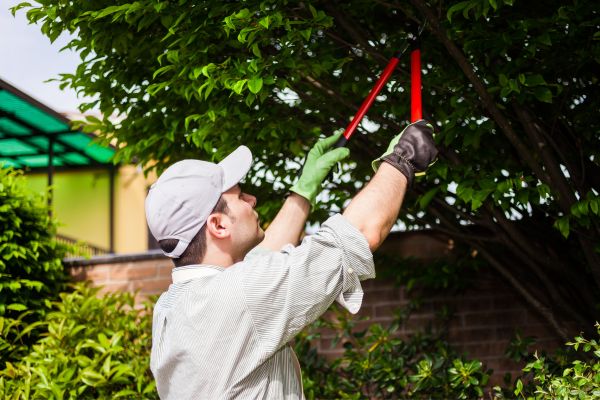
Human-induced climate change isn’t only our collective sin toward God’s creation, but also a serious threat whose greatest burden will have to be carried and coped with by future generations.
But your green youth program doesn’t—and shouldn’t—have to be about the doom and gloom of climate crisis. On the contrary: it’s our duty to be optimistic and believe in the power of the agency that God has bestowed upon us.
This is why green programs are so powerful; they can be as big or small as you can manage, and they are easily scalable.
Your young believers can do simple things such as planting a tree every week, or engage in beekeeping. Or you can, for example, organize a course on how to trim, prune, or remove old and sick trees that aren’t very likely to live much longer.
It doesn’t always have to be a very difficult thing to do either. “Tree pruning is both an art and a science. You need to learn to identify which branches to remove, how much to cut, and the best times to prune different species. This warrants a deep understanding of tree growth patterns and how trees respond to cuts. Using the correct tools and techniques is crucial to make clean cuts that will heal properly,” tells us John Dewey, a trained arborist with almost two decades of experience.
He adds, though, that it’s best to know your limits and only work with shrubs or small trees that don’t require any specialized equipment or safety measures.
Another thing you can teach the young is native, pollinator-friendly gardening. Once you have a core of knowledgeable enthusiasts who know how to do it, they’ll keep spreading the knowledge further. In just six months or even less, the entire community will start feeling a difference!
2. Cleanup Events
This one is great if you can’t plan for bigger gatherings at the church that would happen on a regular basis during the week.
And the reason it’s great is that it can happen anywhere! The important thing, however, is to plan for it in regular intervals—for example, every (or every other) Saturday. It’s also very convenient because it doesn’t require full commitment and allows for much flexibility with your participants.
Yes, you won’t have a huge number of regulars. But the total number of participants will be huge!
All you need to do is spread idea by word of mouth after service. Several dozen posters would also help! You’d be surprised just how much space a group of 20 people can clean in just a couple hours.
Just make sure to have a sound plan ahead of each cleanup so as not to waste anyone’s time. Which park or playground needs some cleaning or sprucing up today?
In spring, this crowd can also help you in annual cleaning and maintenance of the church itself.
3. Food Sharing

Sadly, we all know the feeling: a pot of perfectly good leftover food that goes bad just because nobody happens to eat it. What’s worse, there’s bound to be a human in your vicinity to whom this pot of food would mean the difference between having something and nothing to eat for the day!
Or a sack of potatoes in your pantry that gets rotten because you’ve been just that much too busy to cook it.
Yes, there are food sharing apps, but not all people use apps. Many if not most homeless, poor, or elderly people do not own smartphones or access to internet. As it happens, it’s just the population that would benefit the most from food that the rest of us have but don’t need.
This is where the Church can step in as a bridge between those who are lacking and those who have an extra. For starters, you can publicize this initiative through social media and local communities online. The only requirement is having at least a couple refrigerators to store the perishables, and several young volunteers who will collect the food and drive it to those who can’t come to the church.
Bear one thing in mind, though. While it may seem wise to start a register of people in need, it’s often counterproductive as many people will be too proud to apply.
This is why it’s best to just offer this food to anyone who wants it.
Before long, the whole community will learn of this program and start donating non-perishables. Down the line, you can even partner up with groceries, bakeries and restaurants to collect their surplus food!